Source European Style Geotextile Plant Pot for Garden and Landscaping
Source european style geotextile plant pot options from 30 verified listings. Compare features like drainage, material durability, and customization for landscape engineering, home decoration, and garden use. Evaluate specifications such as height, color, and packaging to find the best fit for your project needs.
Key considerations
Products List
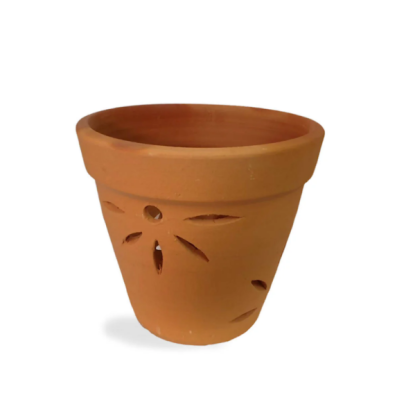
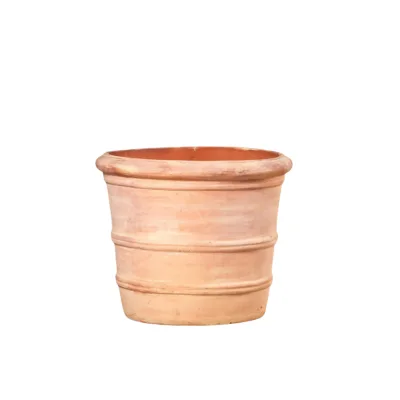


$2.55 - $10.00
Moq: 1000


Comprehensive Sourcing Guide
European Style Geotextile Plant Pot Sourcing Guide
Procurement teams seeking European-style geotextile plant pots must first distinguish between rigid ceramic terracotta options and flexible fabric grow bags, as the core keyword implies a specific textile application. While the observed market data includes ceramic terracotta pots with farmhouse and rustic styles, true geotextile solutions are typically defined by their breathable, non-woven plastic or cellulose composition designed for landscape engineering. Buyers should verify that the product explicitly matches the "Grow Bags" or "Planting Bags" category rather than assuming all decorative pots share the same material properties.
The observed listings reveal a distinct split between rigid ceramic units and flexible planting bags, requiring careful alignment with the intended installation method. European style aesthetics often favor clean lines and neutral tones, yet the data shows specific items in red or green and black, alongside customizable color options. Sourcing strategies must prioritize suppliers who can deliver the specific "Simple" or "Contemporary" styles observed in the plastic and cellulose categories while ensuring the drainage and root aeration benefits inherent to geotextile materials are preserved.
Product Scope and Observed Listing Signals
The product scope for this category encompasses a wide range of applications, from home decoration to large-scale landscape engineering projects. Observed listings indicate that these items are frequently used for planting vegetables, flowers, and green plants, with specific models designed for single or combined usage types. The data highlights a variety of shapes, including round configurations, and sizes ranging from 15 to 60 centimeters in height, or even up to 200 centimeters for larger industrial applications.
Buyers must carefully evaluate the specific material composition, as the market offers both ceramic terracotta and plastic or cellulose-based geotextile options. The observed "Feature" attributes include high temperature resistance, durability, and eco-friendly properties, which are critical for outdoor durability. While some listings emphasize a "Farmhouse" or "Bohemian" style, the functional scope for geotextile pots specifically targets efficient root growth and water management, distinguishing them from traditional rigid containers.
Technical Specifications to Verify
Technical verification begins with confirming the material composition, as the data lists both ceramic and plastic or cellulose materials for similar product names. Buyers should explicitly request material safety data sheets to ensure the geotextile fabric is suitable for food-grade vegetable planting if that is the intended use. The observed "Drainage" attribute is listed as "Good," but specific pore sizes and fabric density must be confirmed to prevent root rot while maintaining structural integrity under soil weight.
Dimensional accuracy is another critical specification, with observed single package sizes of 15x15x15 cm and height ranges extending from 15 to 60 cm or up to 200 cm. The "Standard" attribute mentions capacities ranging from 1 to 500 gallons, requiring precise verification against the buyer's volume requirements. Additionally, the "Finishing" process is noted as "Not Coated" in some listings, which impacts the UV resistance and longevity of the fabric in direct sunlight exposure scenarios.
Compliance and Safety Documentation
Compliance documentation for geotextile plant pots often involves verifying that the materials used are safe for contact with soil and edible plants. While the observed data mentions "Eco-Friendly" and "Biodegradable" features, buyers must request specific test reports to validate these claims, especially for products intended for organic farming or home gardening. The absence of a specific coating in some listings suggests a need to confirm that the raw plastic or cellulose fibers do not leach harmful substances into the growing medium.
Safety standards for landscape engineering applications require verification of the product's structural load-bearing capacity and resistance to environmental degradation. The observed "High Temperature Resistant" feature is a positive indicator, but formal certification for UV stability and thermal tolerance should be requested from the supplier. Buyers should also ensure that the packaging, described as "white box+safety" or "PP Bag/Carton," meets international shipping standards to prevent damage during transit.
Cost Drivers and Commercial Terms
Cost drivers in this category are heavily influenced by the material type, with plastic and cellulose geotextiles generally offering different price points compared to ceramic terracotta. The observed MOQ range spans from 2 to 2000 pieces, with a specific high-confidence fact noting an MOQ of 500 pieces for certain items, which significantly impacts the unit economics for smaller buyers. Buyers must negotiate based on the total volume required to achieve the most favorable pricing, as the "Wholesale" feature suggests bulk discounts are available.
Commercial terms regarding lead times and sample availability are critical for project planning, with observed sample times of 13 days and production methods listed as mechanical. The "Customized" attribute is widely available, allowing for tailored logos and colors, but this customization often extends lead times and increases costs. Buyers should clarify whether the "Single package size" and "Single gross weight" of 1.200 kg apply to the final product or the shipping unit to accurately calculate freight costs.
Supplier Qualification and Quality Control
Supplier qualification requires a thorough review of the place of origin, with observed locations including Fujian and Sichuan, China, both known for manufacturing diverse horticultural products. Buyers should verify the supplier's production capacity and history of fulfilling orders for "Landscape Engineering" or "Home Decoration" to ensure they can meet specific style and volume demands. The "Customized Logo" and "Customized Color" options indicate a supplier's flexibility, but quality control protocols must be established to maintain consistency across custom batches.
Quality control checks should focus on the physical integrity of the geotextile fabric, ensuring that the "Handles" and "Shape" remain intact under stress. The observed "Production Method" is mechanical, which implies a need to inspect the stitching and seam strength, particularly for larger bags designed to hold significant soil weight. Buyers should request pre-shipment inspections to verify that the "Packing" method, whether "white box+safety" or "PP Bag/Carton," adequately protects the product from moisture and physical damage.
Long-Term Procurement Checks
Long-term procurement success depends on establishing a reliable supply chain that can consistently deliver products matching the "European Style" aesthetic and functional requirements. Buyers should monitor the supplier's ability to maintain the "Eco-Friendly" and "Durable" attributes over multiple production cycles, as material sourcing can fluctuate. Regular audits of the manufacturing process in Fujian or Sichuan will help ensure that the "High Temperature Resistant" and "Good Drainage" features remain consistent with initial samples.
Strategic planning should also account for the evolving nature of horticultural trends, where styles like "Japandi," "Korean," or "Bohemian" may shift demand. Maintaining a relationship with suppliers who offer "Customized" solutions allows buyers to adapt quickly to market changes without compromising on quality. Finally, buyers should track the performance of the geotextile pots in real-world applications to validate the "Biodegradable" claims and ensure they meet the long-term sustainability goals of their projects.
FAQs
What materials are used for european style geotextile plant pots?
These pots are primarily made from terracotta, ceramic, and cellulose materials. Some variants utilize plastic for durability in landscape engineering. The selection depends on the desired aesthetic, such as farmhouse or minimalist styles, and specific application needs like hanging or floor placement. Each material offers distinct benefits for home decoration and plant engineering projects.
Can I customize the logo and color of these plant pots?
Yes, customization is available for both logos and colors. Buyers can request customized colors to match specific design themes, including red or green and black options. Customized logos can be applied to meet brand requirements. This flexibility supports various styles, from traditional to contemporary, ensuring the pots align with specific project aesthetics and branding goals.
What is the typical MOQ for ordering these plant pots?
The minimum order quantity is typically 500 pieces. However, observed ranges indicate flexibility, with some suppliers accepting orders as low as 2 pieces. For bulk procurement, orders may go up to 2000 pieces. Buyers should verify specific MOQ requirements with suppliers, as these can vary based on customization needs and production capacity.
How long does sample production take for these pots?
Sample production generally takes 13 days. This timeframe allows for the creation of prototypes that reflect specific styles, such as European or Japandi designs. Buyers can use this period to evaluate material quality, drainage features, and aesthetic suitability before committing to larger orders. Lead times may vary slightly based on customization complexity.
Where are these plant pots manufactured?
These products are manufactured in China, specifically in regions like Fujian and Sichuan. Fujian is known for ceramic and terracotta production, while Sichuan may supply related planting bags. Buyers can source directly from these origins to ensure authenticity and leverage local manufacturing expertise for high-quality, durable plant pots suitable for various decorative and engineering applications.
What styles are available for these european style geotextile plant pots?
A wide range of styles is available, including European, American, Asian Zen, Bohemian, and Minimalist. Options also encompass Farmhouse, Rustic, and Contemporary designs. These styles cater to diverse home decoration needs, from garden flower arrangements to indoor plant engineering. Buyers can select styles that best fit their specific aesthetic preferences and project requirements.